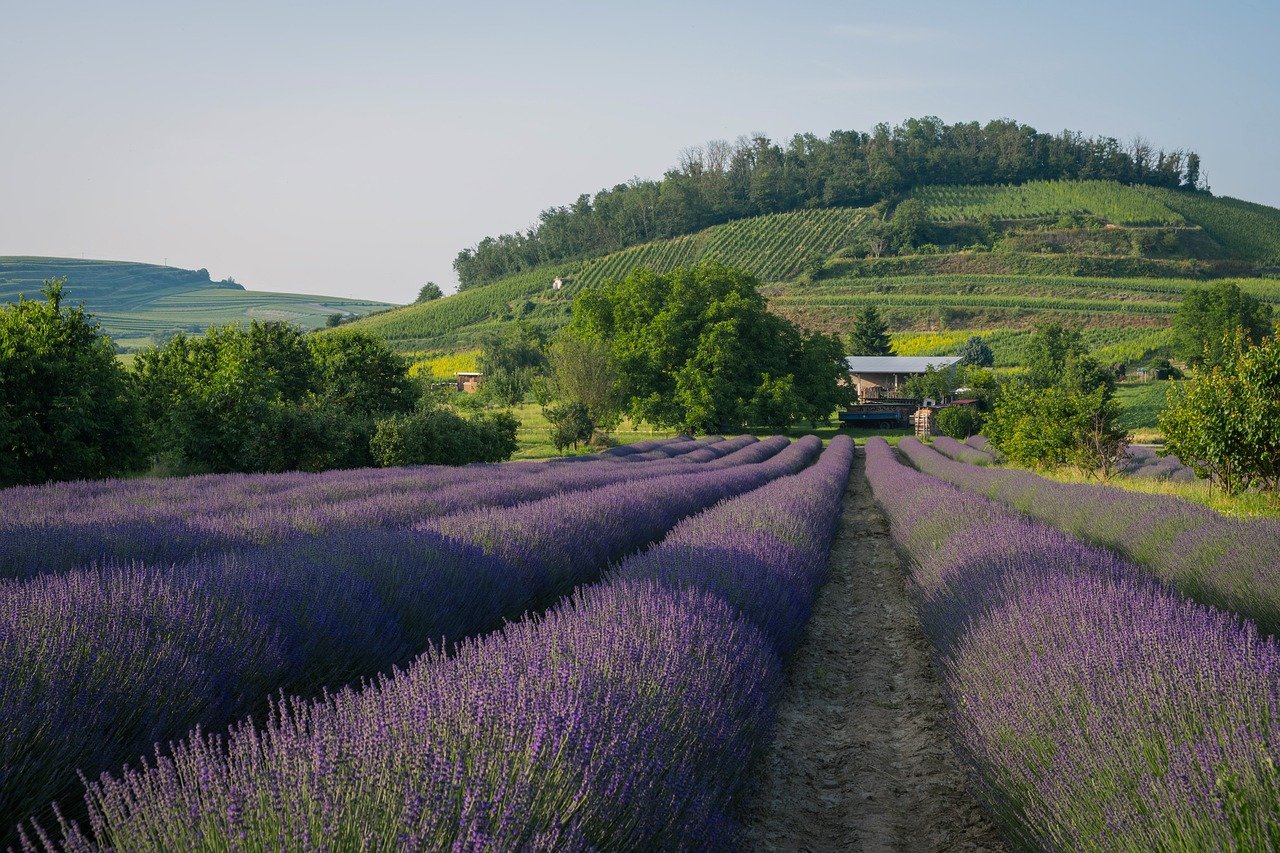
Few plants evoke such an immediate sensory response as lavender. That distinctive floral-herbal scent is one of the most widely recognised in the world, and it has been cherished in Mediterranean and European cultures for thousands of years — used by the Romans in bathwater, by medieval monasteries in sachets and medicines, and today in everything from luxury perfumes to sleep sprays.
But lavender is far more than a fragrance. It's a beautiful, bee-friendly garden plant, a useful culinary herb, a surprisingly effective traditional sleep and relaxation aid, and one of the most drought-tolerant plants you can grow. Let's explore all of it.
Types of Lavender for Home and Garden
There are over 45 species of lavender, but a few stand out for home use:
- English Lavender (Lavandula angustifolia): The classic. Most fragrant, hardy, and versatile. Best for cooking, sachets, and most northern European climates. Varieties like 'Hidcote' and 'Munstead' are compact and highly recommended.
- French Lavender (L. stoechas): Distinctive "rabbit-ear" flower bracts. More striking but less cold-hardy. Excellent for warmer regions and containers.
- Spike Lavender (L. latifolia): Larger plant with broader leaves. Higher in camphor, less suited to cooking, but prized for essential oil production.
Growing Lavender: What It Needs
Lavender is a Mediterranean plant — it evolved in hot, dry, rocky hillsides — so replicating those conditions is the key to success:
- Sun: At least 6 hours of direct sun daily. A south-facing spot is ideal.
- Soil: Very well-drained, ideally alkaline or neutral, and not too fertile. Sandy or gritty soil is perfect. Heavy clay is the enemy of lavender — it causes root rot.
- Watering: Water regularly in the first year to establish roots, then very sparingly once established. Lavender is drought-tolerant and will rot in waterlogged conditions.
- Pruning: Key to longevity. Prune by about a third after flowering each year, but never cut back hard into old woody stems — lavender won't regenerate from bare wood. Light annual trimming keeps plants compact and productive for years.
Lavender and Sleep: What the Research Says
The relaxing effects of lavender scent are one of the most studied areas in botanical medicine. A standardised oral lavender oil product (Silexan, 80mg capsules) has been tested in multiple randomised clinical trials and found to reduce anxiety scores, improve sleep quality, and lower anxiety without causing sedation or dependency — performance comparable to some prescription anxiolytics in certain studies.
For aromatherapy, the evidence is more mixed — study quality varies — but a meta-analysis published in the Journal of Alternative and Complementary Medicine found that lavender aromatherapy was associated with significantly improved sleep quality across multiple studies.
A simple way to try it: add a few drops of good-quality lavender essential oil to a diffuser in your bedroom 30 minutes before sleep. Alternatively, place a small sachet of dried lavender flowers inside your pillowcase.
Culinary Uses of Lavender
English lavender is the only variety widely used in cooking, and it should be used sparingly — the flavour is intensely floral and slightly soapy if overdone. Less is definitely more.
- Lavender shortbread or biscuits: Add 1 teaspoon of finely chopped dried lavender buds to a standard shortbread recipe
- Lavender lemonade: Steep dried buds in a simple syrup, add to freshly squeezed lemon juice and water
- Lavender honey: Infuse dried buds in warmed honey for a week — wonderful on toast or with cheese
- Herbes de Provence: The classic French blend includes lavender alongside thyme, rosemary, and oregano
- Lavender tea: 1–2 teaspoons of dried buds steeped in hot water for 5 minutes. Gently calming and pleasant before bed
Natural Home Uses
- Sachets: Fill small fabric pouches with dried lavender and place in wardrobes, drawers, or linen cupboards to keep clothes fresh and deter moths naturally.
- Pillow spray: Mix 10 drops lavender essential oil with 100ml water in a small spray bottle. Mist pillows lightly before bed.
- Potpourri: Combine dried lavender buds with dried rose petals and citrus peel for a natural home fragrance.
- Topical use: A few drops of lavender essential oil diluted in carrier oil (such as almond or jojoba) can be applied to temples for headaches, or to minor cuts and insect bites.
Harvesting Your Lavender
Harvest lavender when about half the flowers on a spike have opened — this is when the essential oil concentration is highest. Cut stems in the morning after any dew has dried. Use scissors or secateurs and cut about two-thirds down the leafy stem (not into woody growth).
To dry: bundle small groups together with an elastic band and hang upside-down in a warm, dry, ventilated spot away from direct sunlight. They'll be fully dry in about 2–3 weeks and keep their scent for up to a year.
"Lavender is not one plant but many — each variety with its own personality, from the feathery French to the classic English. Growing even one pot will change how you see your garden."
Is Lavender Safe for Pets?
This is a question we get often. Lavender plants are generally considered mildly toxic to dogs and cats if ingested in significant quantities — the linalool and linalool compounds can cause nausea and digestive upset. As a garden plant or dried sachet, the risk is low. However, avoid using lavender essential oil directly on or around pets, especially cats, who are particularly sensitive to essential oils.