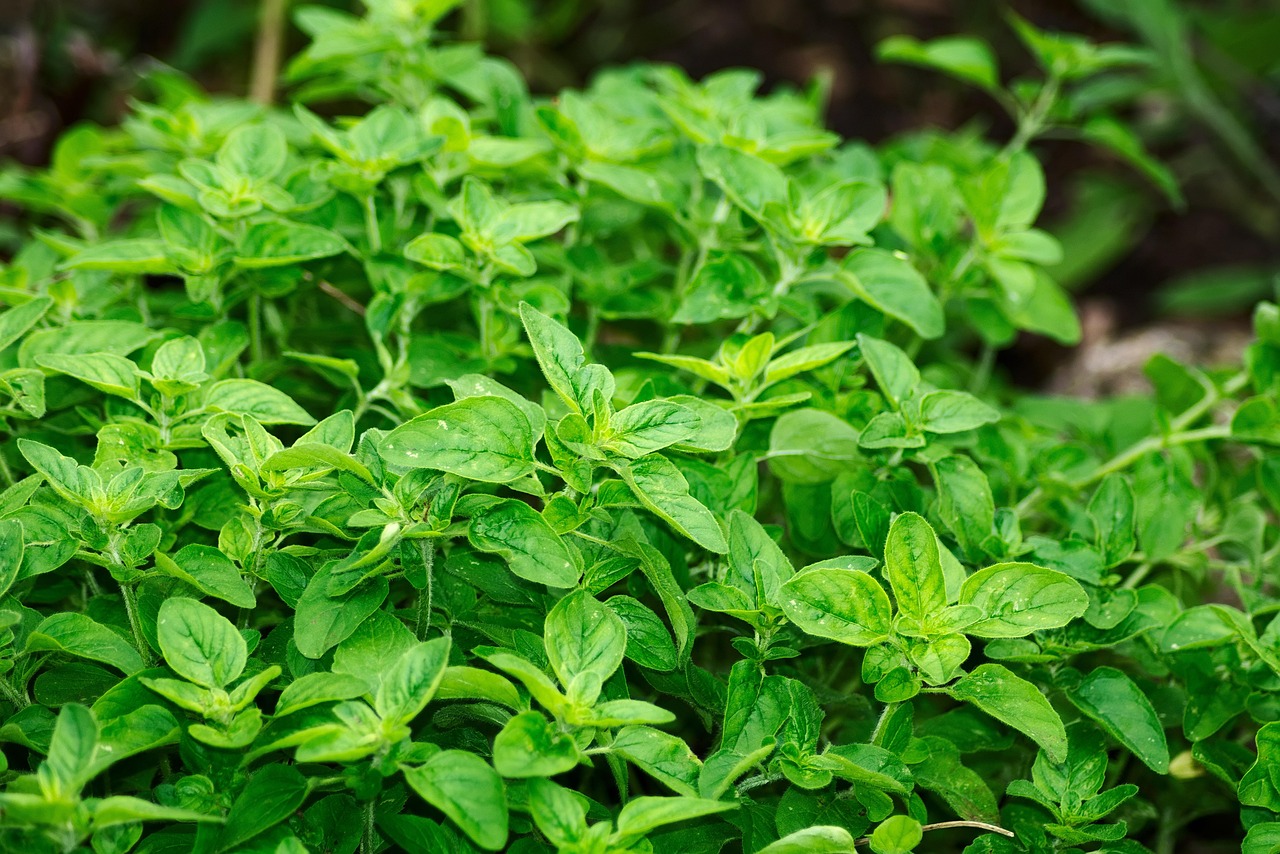
Every grandmother seems to have had her own carefully guarded collection of plant remedies — a warm chamomile tisane for an upset stomach, a poultice of comfrey for a bruise, or a spoonful of honey-and-ginger for a winter cold. These weren't superstitions. They were accumulated folk knowledge passed down through generations — and, in many cases, modern science has found real mechanisms behind them.
Here are six time-honoured plant remedies with both a strong traditional history and a growing body of scientific interest.
1. Chamomile (Matricaria chamomilla)
Perhaps the most beloved herbal remedy in European folk tradition, chamomile tea has been used for centuries to calm nerves, ease digestive discomfort, and promote sleep. Modern pharmacological research has identified several active compounds in chamomile, including apigenin — a flavonoid that binds to benzodiazepine receptors in the brain (the same receptors targeted by many anti-anxiety medications), which may explain its mild calming effects.
A randomised controlled trial published in the journal Phytomedicine found that chamomile extract significantly reduced generalised anxiety disorder symptoms compared to placebo. Chamomile tea is also widely used topically as a gentle anti-inflammatory rinse for irritated skin and eyes.
Traditional use: Hot tea for sleep, nerves, and indigestion. Topical rinse for skin irritation.
2. Ginger (Zingiber officinale)
Ginger root has been used medicinally in Asia for over 2,000 years and is now one of the most studied food-based remedies in the scientific literature. Its active compounds — gingerols and shogaols — have demonstrated anti-inflammatory and antioxidant effects in laboratory and clinical settings.
The strongest evidence supports ginger's effectiveness against nausea: multiple high-quality clinical trials have found it effective for pregnancy-related nausea, chemotherapy-induced nausea, and motion sickness. Some research also suggests benefits for muscle soreness after exercise and for osteoarthritis pain.
Traditional use: Fresh ginger tea or decoction for nausea, cold and flu symptoms, digestion, and as a warming remedy in winter.
3. Lavender (Lavandula angustifolia)
Lavender's soothing aroma is more than just pleasant — it has pharmacological activity. A standardised oral lavender oil preparation (Silexan) has been studied in multiple randomised trials and found to reduce anxiety, improve sleep quality, and lower autonomic arousal (such as heart rate variability) in people with anxiety disorders.
Used topically (always diluted in a carrier oil), lavender essential oil has mild antiseptic properties and is a common traditional remedy for minor cuts, burns, insect bites, and headaches when applied to the temples.
Traditional use: Lavender sachets for sleep, topical oil for minor wounds and headaches, dried flowers in tea for nerves.
4. Elderberry (Sambucus nigra)
Elderberry syrup has seen a dramatic rise in popularity in recent years — and with some justification. Several clinical trials have found that standardised elderberry extract may reduce the duration and severity of influenza and cold symptoms. A 2016 randomised trial published in Nutrients found that participants taking elderberry extract during long-haul flights had significantly shorter and less severe cold episodes than the placebo group.
Elderberries contain high concentrations of anthocyanins — powerful antioxidants — and appear to have immune-modulating effects. It's worth noting that raw elderberries and other parts of the elder plant contain compounds that can cause digestive upset; preparations should use fully ripe, cooked berries.
Traditional use: Syrup, tincture, or tea for colds and flu. Traditional winter tonic in many European cultures.
5. Aloe Vera (Aloe barbadensis)
We've covered aloe vera in depth in this article, but its place in the traditional pharmacy garden is undeniable. From ancient Egypt to the Caribbean, aloe vera has been applied to burns, cuts, dry skin, and digestive complaints for millennia.
Today, its use as a topical skin remedy is one of the most scientifically validated plant applications in herbal medicine. It's also one of the easiest medicinal plants to grow at home — making it the perfect entry point into the world of medicinal gardening.
Traditional use: Fresh gel for burns, sunburn, minor wounds, and dry skin. Inner leaf juice (diluted) as a digestive tonic.
6. Calendula (Calendula officinalis)
Also known as pot marigold, calendula has been used topically in European herbal medicine for centuries. Its bright orange flowers contain flavonoids, triterpenes, and carotenoids — compounds with demonstrated anti-inflammatory, wound-healing, and antimicrobial properties in laboratory studies.
Calendula preparations (creams, oils, infusions) are commonly used for nappy rash, minor wounds, chapped or cracked skin, and as a general skin soother. It's considered one of the gentlest medicinal plants and is often found in natural baby care products for this reason.
It's also an incredibly easy plant to grow — a hardy annual that thrives in poor soil and blooms prolifically throughout summer, attracting pollinators and brightening any garden.
Traditional use: Topical calendula oil or cream for skin healing, minor burns, and dry or cracked skin. Infused oil for massage.
How to Grow a Simple Medicinal Herb Garden
You don't need a large garden to grow all six of these plants. Here's a minimal setup:
- Windowsill pots: Aloe vera, chamomile (compact variety), lavender
- Raised bed or large containers: Ginger (in a warm spot), calendula, elderberry (as a small shrub)
- All of these can be grown organically with no pesticides — important if you plan to use any part of the plant
- Harvest in the morning after dew has dried for highest active compound concentration
"Plants have been our medicine for most of human history. We're only beginning to understand the full complexity of what they offer." — Traditional Herbal Medicine Journal, 2022
A Note on Safety
Plant remedies can interact with medications, cause allergic reactions, and are not appropriate for everyone. This is particularly important for pregnant women, people with autoimmune conditions, and anyone taking prescription medication. The plants mentioned in this article have long traditions of use and generally good safety profiles when used appropriately — but individual responses vary. Start with small amounts and always consult a healthcare professional if you're unsure.