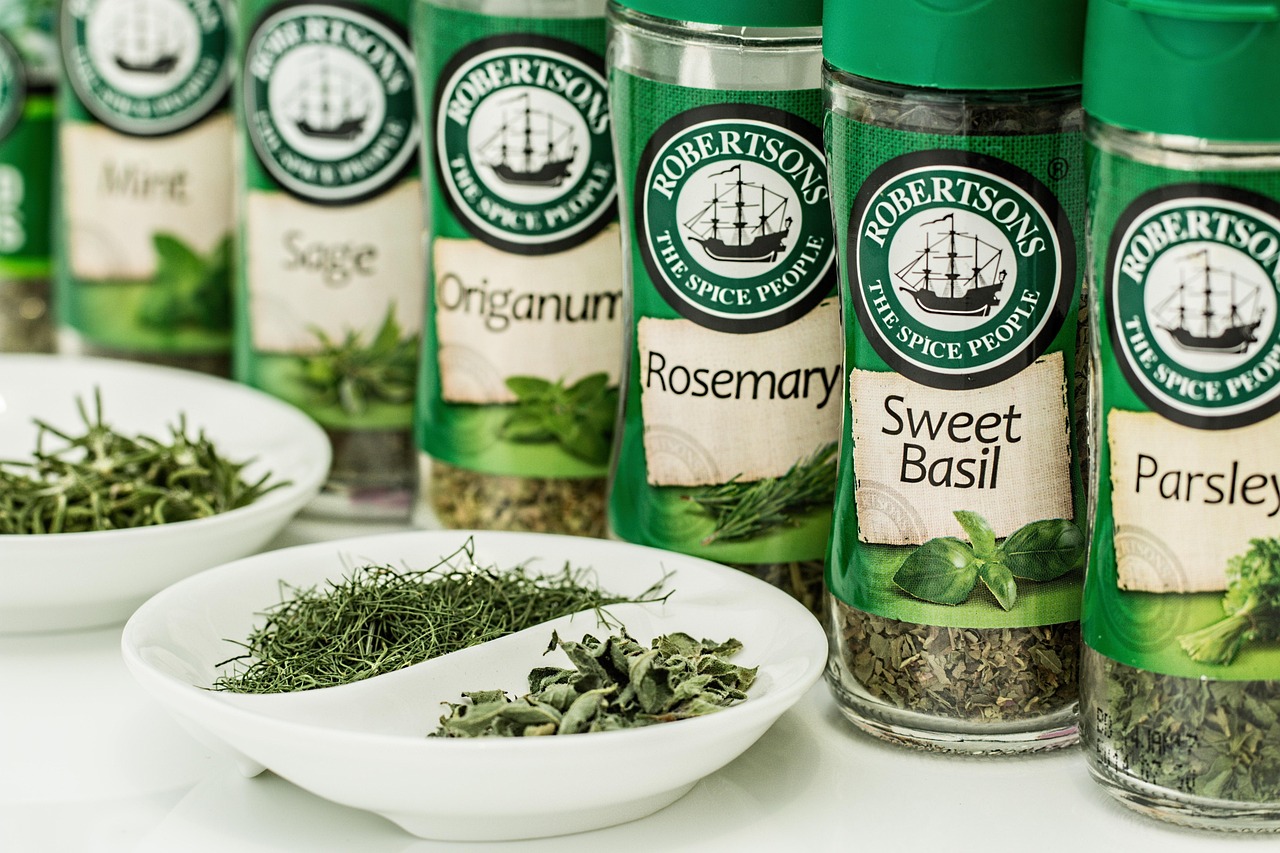
Growing your own herbs is one of the most satisfying and practical things you can do — and it requires far less space, time, and expertise than most people assume. A sunny windowsill and a few terracotta pots are all it takes to have fresh herbs within arm's reach whenever you cook.
In this guide, we cover the five most useful culinary herbs for a first-time indoor herb garden, plus the essential care tips that will keep them thriving throughout the year.
Why Grow Your Own Herbs?
- Freshness: Supermarket herbs lose flavour and nutrients rapidly after harvesting. Home-grown herbs are as fresh as it gets.
- Economy: A single basil plant costs a few euros/pounds and produces continuous harvests for months.
- No waste: Use exactly what you need, when you need it — no more wilting bags of herbs in the fridge drawer.
- Wellbeing: Tending plants is a proven stress reliever and mood booster.
What You Need to Get Started
- Small pots (12–15cm diameter) with drainage holes
- Potting compost or herb-specific soil mix
- A tray to catch drainage water
- A sunny windowsill (south or west-facing is ideal)
- Seeds or young starter plants from a garden centre
The 5 Best Herbs to Start With
1. Basil (Ocimum basilicum)
Basil is the classic starter herb — fragrant, fast-growing, and indispensable in Italian, Thai, and many Mediterranean dishes. It loves warmth and needs at least 6 hours of direct sunlight per day, making it ideal for a south-facing window in summer.
Key tips: Pinch off flowers as soon as they appear — flowering triggers the plant to produce more seeds and less leaves. Harvest from the top down, taking stem tips rather than individual leaves. Keep away from cold draughts.
2. Mint (Mentha spp.)
Mint is incredibly vigorous — so vigorous that it's best grown in its own pot to prevent it from crowding out other herbs. It tolerates partial shade better than most herbs and comes in a wide range of varieties: spearmint, peppermint, chocolate mint, apple mint, and more.
Key tips: Water regularly to keep the soil consistently moist. Harvest often to promote bushy growth rather than tall, leggy stems. Can be grown purely in water if you prefer minimal fuss.
3. Rosemary (Salvia rosmarinus)
A woody, Mediterranean herb that is drought-tolerant and long-lived. Once established in a pot, rosemary can thrive for years with minimal attention. Its piney, aromatic flavour is wonderful with roasted vegetables, bread, and lamb.
Key tips: Needs full sun and excellent drainage — it hates wet roots. Allow the soil to dry out fully between waterings. Use a gritty, free-draining soil mix. Harvests light trimmings regularly to maintain a compact shape.
4. Thyme (Thymus vulgaris)
Thyme is one of the most versatile culinary herbs and also one of the most low-maintenance. It grows in a compact mound, handles dry conditions well, and has small, fragrant leaves that add depth to soups, stews, roasts, and sauces.
Key tips: Shares similar needs to rosemary — full sun, well-drained soil, and infrequent watering. Cut back quite hard after the second year to prevent the plant from becoming woody and bare in the centre.
5. Chives (Allium schoenoprasum)
Chives bridge the gap between the herb garden and the vegetable patch. Their mild onion-garlic flavour works in salads, omelettes, soups, and on baked potatoes. They're also one of the most forgiving herbs — tolerating partial shade and irregular watering.
Key tips: Cut leaves with scissors from about 2cm above the soil. They'll regrow continuously throughout the season. Divide clumps every year or two to keep them productive. The purple flowers are edible and lovely in salads.
Essential Care Routine
Light
Most culinary herbs want at least 4–6 hours of direct sunlight per day. If your windowsill doesn't offer enough natural light, a simple grow light set on a 12-hour timer can make all the difference — they're inexpensive and widely available.
Watering
The most common mistake with herbs is overwatering. As a general rule:
- Mediterranean herbs (rosemary, thyme, oregano): water only when soil is completely dry
- Basil and mint: keep soil lightly moist but never waterlogged
- Always water at the base, not on the leaves
- Empty the drainage tray after 30 minutes to prevent root rot
Feeding
A liquid herb or seaweed fertiliser applied once a month during the growing season (spring–summer) will give your herbs the nutrients they need for strong, aromatic growth. Go easy — too much nitrogen produces lush leaves but with less concentrated flavour.
Harvesting
The golden rule of herb harvesting: never take more than a third of the plant at once. For leafy herbs like basil and mint, harvest from the top; for woody herbs like rosemary and thyme, take from the stem tips. Regular harvesting actually encourages the plant to produce more new growth.
"Growing herbs taught me that patience and a little consistent attention produce far better results than occasional intense effort."
Can You Grow Herbs All Year Indoors?
Yes — with adequate light. Mediterranean herbs slow their growth in winter but don't die back if kept warm. Basil is the exception: it struggles in low winter light and is best treated as a seasonal plant. Chives and mint can be cut back to near-ground level in autumn and will return vigorously in spring.