Aloe vera (Aloe barbadensis miller) is one of the oldest documented medicinal plants in human history. Ancient Egyptian texts, Greek medical records, and Ayurvedic traditions all reference this succulent — and it remains one of the most widely used botanical ingredients in the world today.
Most people associate aloe vera with soothing a sunburn or razor burn. That's fair, but it's only a fraction of what this plant has been used for across cultures. Let's look at ten well-documented uses of aloe vera and what the research actually says.
🌿 What Is Aloe Vera Gel?
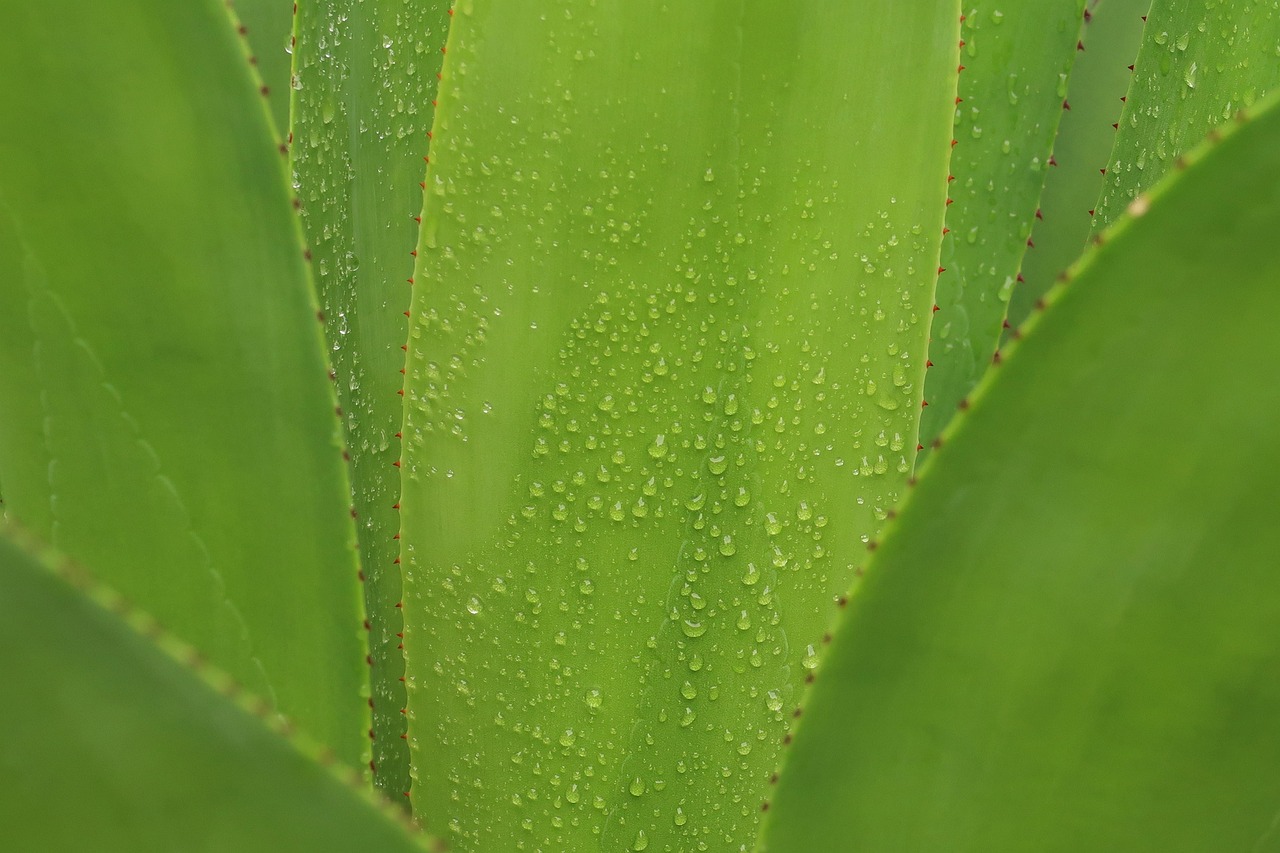
The thick, clear gel inside aloe vera leaves is made up of about 99% water, but the remaining 1% contains a powerful combination of vitamins, minerals, amino acids, and antioxidants — including vitamins A, C, E, B12, folic acid, and minerals like calcium, magnesium, and zinc.
1. Soothes Minor Burns and Skin Irritation
This is the most well-known use of aloe vera — and it's backed by solid evidence. Studies have consistently shown that aloe vera gel can speed up the healing of minor burns, including sunburns, by reducing inflammation and stimulating skin cell regeneration.
A review published in the journal Burns found that aloe vera treatment healed first- and second-degree burns significantly faster than conventional dressings. The cooling sensation it provides comes from its high water content and natural compounds called polysaccharides that help repair the skin barrier.
2. Supports Digestive Comfort
Aloe vera latex — the yellowish layer just under the outer leaf skin — has a long traditional history as a digestive support. However, it's important to note that raw latex contains compounds called anthraquinones, which are powerful laxatives and should be used with caution.
Aloe vera juice (not latex) made from the inner leaf gel is a different matter. Several small studies suggest it may help soothe discomfort associated with irritable bowel syndrome (IBS) and reduce symptoms of heartburn. Many people add diluted aloe vera juice to their daily routine as a digestive tonic.
3. A Natural Moisturizer for Skin
Aloe vera gel is one of nature's best non-greasy moisturizers. It penetrates the skin quickly and contains a compound called glucomannan that stimulates collagen production. Regular application can help maintain skin elasticity and hydration.
It's particularly effective for oily skin because, unlike most moisturizing creams, it adds moisture without leaving a heavy or greasy residue. Many people with combination skin use it as their sole daily moisturizer.
4. May Help Reduce Blood Sugar Levels
Several clinical studies, primarily conducted in people with pre-diabetes and type 2 diabetes, have shown that aloe vera supplementation may modestly reduce fasting blood glucose levels. A meta-analysis published in the Journal of Clinical Pharmacy and Therapeutics concluded that aloe vera showed significant effects on fasting blood glucose and HbA1c in people with diabetes.
Researchers believe that certain compounds in aloe vera gel — including mannose phosphate and lectins — may help sensitize insulin receptors. However, more large-scale trials are needed, and it should never be used as a replacement for prescribed diabetes management.
5. Rich in Antioxidants
Aloe vera gel is loaded with polyphenols — a class of powerful antioxidants. These compounds help the body fight oxidative stress caused by free radicals, which are linked to ageing and various chronic conditions.
Together with vitamins C and E found in the gel, these antioxidants may contribute to skin protection against UV-related ageing and support the immune system.
6. Antimicrobial and Wound-Healing Properties
Laboratory studies have identified that aloe vera contains several compounds with antimicrobial activity, including aloin, aloe emodin, and barbaloin. These have shown effectiveness against certain bacteria (including Staphylococcus aureus and Streptococcus) in test-tube studies.
This is part of why aloe vera gel has been used on minor cuts and abrasions for centuries — it creates a protective barrier, has mild antimicrobial properties, and supports tissue repair simultaneously.
7. Can Reduce Dental Plaque
Research published in the Journal of Indian Society of Pedodontics and Preventive Dentistry found that a pure aloe vera juice mouthwash was as effective as chlorhexidine mouthwash — a standard dental care ingredient — in reducing dental plaque and gingivitis.
Aloe vera's natural antifungal and antibacterial properties make it a compelling natural addition to oral hygiene routines. Some people use a diluted aloe vera gel as a gentle gum massage treatment.
8. Soothes Dry and Flaky Scalp
The enzymatic properties of aloe vera make it particularly useful for scalp health. It contains proteolytic enzymes that break down dead skin cells on the scalp, while its moisturizing properties combat dryness without clogging hair follicles.
Many people apply fresh aloe gel directly to the scalp as a conditioning mask, leaving it on for 20–30 minutes before rinsing. Regular use has been associated with reduced flakiness and improved scalp texture in anecdotal reports.
9. Helps with Sunburn Recovery
Beyond just cooling the burn, aloe vera helps with the overall recovery process. It reduces inflammation at the cellular level, promotes faster epithelial (skin surface) regeneration, and helps minimize peeling. Its high water content also helps rehydrate the dehydrated skin layers associated with sun damage.
For best results, store your aloe vera gel in the fridge during summer months — the cool temperature adds an extra soothing effect.
10. Easy to Grow at Home — Giving You Fresh Gel Anytime
Perhaps one of the most underrated benefits of aloe vera is that it's one of the easiest plants to grow at home. A single potted aloe on your windowsill can provide fresh gel whenever you need it — and it requires very little maintenance.
Aloe vera thrives in bright, indirect sunlight and needs watering only every 2–3 weeks. It actually prefers to be slightly underwatered rather than overwatered. For the freshest gel, simply cut a lower leaf close to the base, slice it open, and scoop out the clear gel with a spoon.
Use a well-draining soil mix (cactus soil works great). Plant in a terracotta pot with drainage holes. Water deeply but infrequently — let the soil dry out completely between waterings. Avoid direct, harsh afternoon sun.
How to Use Fresh Aloe Vera Gel
- For skin: Scoop gel from a fresh leaf and apply directly to skin. Leave for 20–30 minutes and rinse with cool water.
- For hair: Apply to scalp and hair lengths, leave for 30 minutes, wash out as normal.
- For minor burns/sunburn: Apply generously, store remaining gel in the fridge for a cooling effect.
- As a juice: Use commercial, purified inner-leaf aloe vera juice products — do not make at home from whole leaves, as removing the latex properly requires care.
"Among all plants, aloe vera stands out for the breadth of its traditional uses — and for the degree to which modern science continues to validate them."
— Journal of Traditional and Complementary Medicine, 2019 Review
The Bottom Line
Aloe vera is a genuinely remarkable plant with a long, well-documented history of use — and science is steadily confirming many of its traditional applications. The most solid evidence supports its use for minor skin injuries, burns, and as a topical moisturizer. Its potential digestive and metabolic benefits are promising but still require more research.
What's certain is this: having a small aloe vera plant in your home is one of the most practical and low-effort investments in natural wellness you can make.